Buy majorca.net ?
We are moving the project
majorca.net .
Are you interested in purchasing the domain
majorca.net ?
domain@kv-gmbh.de · 0541-91531010
Buy majorca.net ?
Can you explain virtue ethics, duty ethics, and goods ethics?
Virtue ethics focuses on the character of the individual and emphasizes the development of virtuous traits such as honesty, courage, and compassion. It is concerned with cultivating moral excellence and living a good life. Duty ethics, also known as deontological ethics, is based on the idea that certain actions are inherently right or wrong, regardless of their consequences. It emphasizes the importance of following moral rules and fulfilling one's duties and obligations. Goods ethics, or consequentialism, evaluates the morality of an action based on its outcomes or consequences. It focuses on maximizing the overall good or happiness and considers the potential impact of an action on others. **
Is Buddhist ethics comparable to Christian ethics?
Buddhist ethics and Christian ethics share some similarities, such as the emphasis on compassion, love, and non-violence. Both traditions also promote the idea of treating others with kindness and respect. However, there are also significant differences between the two, such as the concept of sin and salvation in Christianity, which is not present in Buddhism. Additionally, the role of divine authority and the concept of God differs between the two traditions. Overall, while there are some common ethical principles, the underlying beliefs and foundations of Buddhist and Christian ethics are distinct. **


Similar search terms for Ethics
Top-Angebote
Products related to Ethics:
-
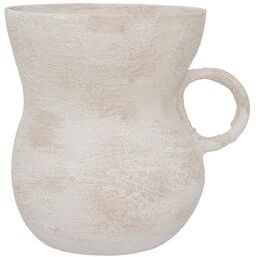
Urban Nature Culture Vase RelaxedQuiet elegancy comes to life in Urban Nature Culture's vase Relaxed. Handmade in Portugal, this ceramic vase has a shape beyond anything you've seen - it's organic, it flows and steals your heart with its playful ear.123,40 $*Shipping: 0,00 $Secure redirect to the provider



-
Is Nicomachean Ethics the same as Virtue Ethics?
Nicomachean Ethics is a specific work by Aristotle that is considered one of the foundational texts in virtue ethics. While Nicomachean Ethics is a key text within the broader framework of virtue ethics, virtue ethics itself is a broader ethical theory that encompasses various other works and perspectives beyond just Aristotle's. So, while Nicomachean Ethics is a significant part of virtue ethics, they are not exactly the same thing. **
-
Does Kant's deontological ethics contradict Aristotle's eudaemonistic ethics?
Kant's deontological ethics and Aristotle's eudaemonistic ethics have some fundamental differences, but they do not necessarily contradict each other. Kant's ethics focus on duty and the intention behind actions, while Aristotle's ethics emphasize achieving eudaimonia, or human flourishing, through virtuous actions. While Kant's emphasis on duty can sometimes conflict with Aristotle's emphasis on virtue, both ethical theories ultimately aim to guide individuals towards leading a good and moral life. Therefore, while they may approach ethics from different perspectives, they can be seen as complementary rather than contradictory. **
-
Is responsibility ethics the same as future ethics?
Responsibility ethics and future ethics are related but not the same. Responsibility ethics focuses on the moral obligations and duties that individuals and organizations have in the present moment, while future ethics considers the ethical implications of our actions on future generations and the long-term consequences of our choices. While responsibility ethics emphasizes the immediate impact of our actions, future ethics considers the broader and long-term effects of our decisions on the well-being of future generations and the sustainability of the planet. Both are important aspects of ethical decision-making, but they address different time frames and perspectives. **
-
Does ethics still exist nowadays? Is ethics a problem?
Ethics still exist nowadays as a set of moral principles that guide human behavior and decision-making. However, there are instances where ethical considerations are overlooked or compromised in favor of personal gain or convenience, making ethics a problem in society. It is important for individuals and organizations to prioritize ethical behavior to maintain trust, integrity, and social responsibility. Efforts to promote ethical conduct through education, awareness, and accountability can help address ethical challenges in today's world. **


What is ethics?
Ethics is a branch of philosophy that deals with moral principles and values that govern individual behavior and decision-making. It involves distinguishing between right and wrong actions, as well as understanding the consequences of those actions on individuals and society as a whole. Ethics provides a framework for individuals to make ethical choices and behave in a morally responsible manner. It also helps in creating a sense of accountability and integrity in personal and professional relationships. **
What are the differences between deontological ethics and utilitarian ethics?
Deontological ethics, also known as duty-based ethics, focuses on the inherent rightness or wrongness of actions themselves, regardless of their consequences. It emphasizes following moral rules and duties, such as telling the truth or keeping promises, based on principles like the categorical imperative. On the other hand, utilitarian ethics, also known as consequentialist ethics, prioritizes the outcomes or consequences of actions. It aims to maximize overall happiness or well-being for the greatest number of people, often through the calculation of benefits and harms. While deontological ethics emphasizes duty and rules, utilitarian ethics prioritizes the greatest good for the greatest number. **
Top-Angebote
Products related to Ethics:
-
Bond No. 9 New York Beaches Shelter Island EDP U 100 mlBond No. 9 New York Beaches Shelter Island, 100 ml, Eaux de Parfum unisex, Fresh but still mysterious. Modern, yet timeless. The composition of Bond No. 9 New York Beaches Shelter Island unisex Eau de Parfum is absolutely perfect both for women and men. clean fresh fragrance aquatic fragrance with oceanic notes woody fragrance unisex – suitable for both women and men fresh fragrance, ideal for hot weather179,00 £*Shipping: 3,99 £Secure redirect to the provider
-
Urban Nature Culture Vase RelaxedQuiet elegancy comes to life in Urban Nature Culture's vase Relaxed. Handmade in Portugal, this ceramic vase has a shape beyond anything you've seen - it's organic, it flows and steals your heart with its playful ear.123,40 $*Shipping: 0,00 $Secure redirect to the provider
-
Can you explain virtue ethics, duty ethics, and goods ethics?
Virtue ethics focuses on the character of the individual and emphasizes the development of virtuous traits such as honesty, courage, and compassion. It is concerned with cultivating moral excellence and living a good life. Duty ethics, also known as deontological ethics, is based on the idea that certain actions are inherently right or wrong, regardless of their consequences. It emphasizes the importance of following moral rules and fulfilling one's duties and obligations. Goods ethics, or consequentialism, evaluates the morality of an action based on its outcomes or consequences. It focuses on maximizing the overall good or happiness and considers the potential impact of an action on others. **
-
Is Buddhist ethics comparable to Christian ethics?
Buddhist ethics and Christian ethics share some similarities, such as the emphasis on compassion, love, and non-violence. Both traditions also promote the idea of treating others with kindness and respect. However, there are also significant differences between the two, such as the concept of sin and salvation in Christianity, which is not present in Buddhism. Additionally, the role of divine authority and the concept of God differs between the two traditions. Overall, while there are some common ethical principles, the underlying beliefs and foundations of Buddhist and Christian ethics are distinct. **
-
Is Nicomachean Ethics the same as Virtue Ethics?
Nicomachean Ethics is a specific work by Aristotle that is considered one of the foundational texts in virtue ethics. While Nicomachean Ethics is a key text within the broader framework of virtue ethics, virtue ethics itself is a broader ethical theory that encompasses various other works and perspectives beyond just Aristotle's. So, while Nicomachean Ethics is a significant part of virtue ethics, they are not exactly the same thing. **
-
Does Kant's deontological ethics contradict Aristotle's eudaemonistic ethics?
Kant's deontological ethics and Aristotle's eudaemonistic ethics have some fundamental differences, but they do not necessarily contradict each other. Kant's ethics focus on duty and the intention behind actions, while Aristotle's ethics emphasize achieving eudaimonia, or human flourishing, through virtuous actions. While Kant's emphasis on duty can sometimes conflict with Aristotle's emphasis on virtue, both ethical theories ultimately aim to guide individuals towards leading a good and moral life. Therefore, while they may approach ethics from different perspectives, they can be seen as complementary rather than contradictory. **
Similar search terms for Ethics
-
Urban Nature Culture Vase Talvi - WhiteFloating the sea waves, a sense of calm takes over, feeling at home in the world. That same feeling we get at home, like a safe haven to relax our senses and feast our eyes on our most cherished things.267,80 $*Shipping: 0,00 $Secure redirect to the provider
-
Urban Nature Culture Vase Ace - AceSetting forth a tradition that is centuries old, pottery has ever been one of Portugal's trades. Urban Nature Culture loves to work with Portuguese artisans - who use their skills to combine modern looks and contemporary design with techniques of old.145,60 $*Shipping: 0,00 $Secure redirect to the provider
-
Is responsibility ethics the same as future ethics?
Responsibility ethics and future ethics are related but not the same. Responsibility ethics focuses on the moral obligations and duties that individuals and organizations have in the present moment, while future ethics considers the ethical implications of our actions on future generations and the long-term consequences of our choices. While responsibility ethics emphasizes the immediate impact of our actions, future ethics considers the broader and long-term effects of our decisions on the well-being of future generations and the sustainability of the planet. Both are important aspects of ethical decision-making, but they address different time frames and perspectives. **
-
Does ethics still exist nowadays? Is ethics a problem?
Ethics still exist nowadays as a set of moral principles that guide human behavior and decision-making. However, there are instances where ethical considerations are overlooked or compromised in favor of personal gain or convenience, making ethics a problem in society. It is important for individuals and organizations to prioritize ethical behavior to maintain trust, integrity, and social responsibility. Efforts to promote ethical conduct through education, awareness, and accountability can help address ethical challenges in today's world. **
-
What is ethics?
Ethics is a branch of philosophy that deals with moral principles and values that govern individual behavior and decision-making. It involves distinguishing between right and wrong actions, as well as understanding the consequences of those actions on individuals and society as a whole. Ethics provides a framework for individuals to make ethical choices and behave in a morally responsible manner. It also helps in creating a sense of accountability and integrity in personal and professional relationships. **
-
What are the differences between deontological ethics and utilitarian ethics?
Deontological ethics, also known as duty-based ethics, focuses on the inherent rightness or wrongness of actions themselves, regardless of their consequences. It emphasizes following moral rules and duties, such as telling the truth or keeping promises, based on principles like the categorical imperative. On the other hand, utilitarian ethics, also known as consequentialist ethics, prioritizes the outcomes or consequences of actions. It aims to maximize overall happiness or well-being for the greatest number of people, often through the calculation of benefits and harms. While deontological ethics emphasizes duty and rules, utilitarian ethics prioritizes the greatest good for the greatest number. **
* All prices are inclusive of VAT and, if applicable, plus shipping costs. The offer information is based on the details provided by the respective shop and is updated through automated processes. Real-time updates do not occur, so deviations can occur in individual cases. ** Note: Parts of this content were created by AI.