Buy majorca.net ?
We are moving the project
majorca.net .
Are you interested in purchasing the domain
majorca.net ?
domain@kv-gmbh.de · 0541-91531010
Buy majorca.net ?
Norwegian island near Svalbard
Bear Island is a Norwegian island located near Svalbard in the Arctic Ocean. It is known for its rugged and remote landscape, with steep cliffs and a large population of seabirds. The island is uninhabited, except for a small Norwegian meteorological station. Bear Island is a popular destination for birdwatchers and nature enthusiasts due to its unique wildlife and pristine environment. **
Have you been to Greenland or Svalbard?
As an AI language model, I do not have personal experiences or the ability to travel. However, I can provide information and answer questions about Greenland and Svalbard based on available knowledge and data. If you have specific questions about these destinations, feel free to ask! **


Similar search terms for Svalbard
Top-Angebote
Products related to Svalbard:
-
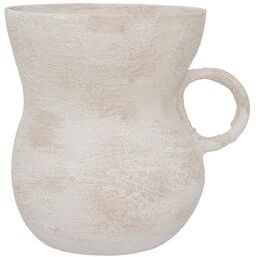
Urban Nature Culture Vase RelaxedQuiet elegancy comes to life in Urban Nature Culture's vase Relaxed. Handmade in Portugal, this ceramic vase has a shape beyond anything you've seen - it's organic, it flows and steals your heart with its playful ear.123,40 $*Shipping: 0,00 $Secure redirect to the provider
-
Urban Nature Culture Vase Talvi - WhiteFloating the sea waves, a sense of calm takes over, feeling at home in the world. That same feeling we get at home, like a safe haven to relax our senses and feast our eyes on our most cherished things.267,80 $*Shipping: 0,00 $Secure redirect to the provider



-
How can one live in the northern part of Alaska, Russia, Canada, and Svalbard?
Living in the northern part of Alaska, Russia, Canada, and Svalbard requires a strong understanding of the extreme weather conditions and isolation. Residents must be prepared for long, harsh winters with limited daylight and extreme cold temperatures. Access to basic necessities such as food, water, and medical care can be limited, and transportation options may be restricted. Additionally, living in these areas requires a deep respect for the local wildlife and environment, as well as a strong sense of self-sufficiency and resilience. **
-
Why are coal deposits found in Antarctica or in Svalbard a reason to consider continents as mobile structures?
The presence of coal deposits in Antarctica or Svalbard indicates that these regions were once located closer to the equator where coal-forming vegetation thrived. As continents drift over geological time scales due to plate tectonics, these regions have moved from their original positions to their current polar locations. This movement of continents demonstrates the dynamic nature of Earth's crust and supports the theory of continental drift, highlighting how continents are not fixed but instead constantly in motion. **
-
Why are coal deposits found in Antarctica or in Svalbard a reason to consider continents as movable structures?
Coal deposits found in Antarctica or in Svalbard are evidence of past geological conditions that were conducive to the formation of coal, such as the presence of lush vegetation and swampy environments. The fact that these deposits are now located in polar regions suggests that these areas were once located closer to the equator and have since moved to their current positions due to the process of continental drift. This supports the theory of plate tectonics, which posits that the Earth's continents are not fixed in place but rather move over geological time scales. Therefore, the presence of coal deposits in these regions is a compelling reason to consider continents as movable structures. **
-
Is man a creature of nature or culture, or is culture the nature of man?
Man is a complex being influenced by both nature and culture. While humans are inherently part of the natural world, our behaviors, beliefs, and practices are largely shaped by the societies we live in. Culture can be seen as the nature of man in the sense that it is a fundamental aspect of human existence, shaping our identities and interactions with the world. Ultimately, the relationship between nature and culture is intertwined in shaping the essence of humanity. **

Is man a being of nature or culture, or is culture the nature of man?
Man is a being of both nature and culture. While humans are inherently a part of the natural world, our ability to create and participate in culture sets us apart from other species. Culture shapes our beliefs, behaviors, and interactions with the world, becoming an essential part of our identity. Therefore, culture can be seen as the nature of man, as it influences and defines our existence in profound ways. **
Is culture a form of nature?
Culture is not a form of nature, but rather a product of human society. While culture can be influenced by nature and the environment, it is distinct in that it is created, shared, and passed down through generations by humans. Nature refers to the physical world and natural phenomena, while culture encompasses the beliefs, customs, arts, and social behaviors of a particular group of people. **
Top-Angebote
Products related to Svalbard:
-
Urban Nature Culture Vase RelaxedQuiet elegancy comes to life in Urban Nature Culture's vase Relaxed. Handmade in Portugal, this ceramic vase has a shape beyond anything you've seen - it's organic, it flows and steals your heart with its playful ear.123,40 $*Shipping: 0,00 $Secure redirect to the provider
-
Norwegian island near Svalbard
Bear Island is a Norwegian island located near Svalbard in the Arctic Ocean. It is known for its rugged and remote landscape, with steep cliffs and a large population of seabirds. The island is uninhabited, except for a small Norwegian meteorological station. Bear Island is a popular destination for birdwatchers and nature enthusiasts due to its unique wildlife and pristine environment. **
-
Have you been to Greenland or Svalbard?
As an AI language model, I do not have personal experiences or the ability to travel. However, I can provide information and answer questions about Greenland and Svalbard based on available knowledge and data. If you have specific questions about these destinations, feel free to ask! **
-
How can one live in the northern part of Alaska, Russia, Canada, and Svalbard?
Living in the northern part of Alaska, Russia, Canada, and Svalbard requires a strong understanding of the extreme weather conditions and isolation. Residents must be prepared for long, harsh winters with limited daylight and extreme cold temperatures. Access to basic necessities such as food, water, and medical care can be limited, and transportation options may be restricted. Additionally, living in these areas requires a deep respect for the local wildlife and environment, as well as a strong sense of self-sufficiency and resilience. **
-
Why are coal deposits found in Antarctica or in Svalbard a reason to consider continents as mobile structures?
The presence of coal deposits in Antarctica or Svalbard indicates that these regions were once located closer to the equator where coal-forming vegetation thrived. As continents drift over geological time scales due to plate tectonics, these regions have moved from their original positions to their current polar locations. This movement of continents demonstrates the dynamic nature of Earth's crust and supports the theory of continental drift, highlighting how continents are not fixed but instead constantly in motion. **
Similar search terms for Svalbard
-
Urban Nature Culture Vase Talvi - WhiteFloating the sea waves, a sense of calm takes over, feeling at home in the world. That same feeling we get at home, like a safe haven to relax our senses and feast our eyes on our most cherished things.267,80 $*Shipping: 0,00 $Secure redirect to the provider
-
Urban Nature Culture Vase Ace - AceSetting forth a tradition that is centuries old, pottery has ever been one of Portugal's trades. Urban Nature Culture loves to work with Portuguese artisans - who use their skills to combine modern looks and contemporary design with techniques of old.145,60 $*Shipping: 0,00 $Secure redirect to the provider
-
Why are coal deposits found in Antarctica or in Svalbard a reason to consider continents as movable structures?
Coal deposits found in Antarctica or in Svalbard are evidence of past geological conditions that were conducive to the formation of coal, such as the presence of lush vegetation and swampy environments. The fact that these deposits are now located in polar regions suggests that these areas were once located closer to the equator and have since moved to their current positions due to the process of continental drift. This supports the theory of plate tectonics, which posits that the Earth's continents are not fixed in place but rather move over geological time scales. Therefore, the presence of coal deposits in these regions is a compelling reason to consider continents as movable structures. **
-
Is man a creature of nature or culture, or is culture the nature of man?
Man is a complex being influenced by both nature and culture. While humans are inherently part of the natural world, our behaviors, beliefs, and practices are largely shaped by the societies we live in. Culture can be seen as the nature of man in the sense that it is a fundamental aspect of human existence, shaping our identities and interactions with the world. Ultimately, the relationship between nature and culture is intertwined in shaping the essence of humanity. **
-
Is man a being of nature or culture, or is culture the nature of man?
Man is a being of both nature and culture. While humans are inherently a part of the natural world, our ability to create and participate in culture sets us apart from other species. Culture shapes our beliefs, behaviors, and interactions with the world, becoming an essential part of our identity. Therefore, culture can be seen as the nature of man, as it influences and defines our existence in profound ways. **
-
Is culture a form of nature?
Culture is not a form of nature, but rather a product of human society. While culture can be influenced by nature and the environment, it is distinct in that it is created, shared, and passed down through generations by humans. Nature refers to the physical world and natural phenomena, while culture encompasses the beliefs, customs, arts, and social behaviors of a particular group of people. **
* All prices are inclusive of VAT and, if applicable, plus shipping costs. The offer information is based on the details provided by the respective shop and is updated through automated processes. Real-time updates do not occur, so deviations can occur in individual cases. ** Note: Parts of this content were created by AI.