Buy majorca.net ?
We are moving the project
majorca.net .
Are you interested in purchasing the domain
majorca.net ?
domain@kv-gmbh.de · 0541-91531010
Buy majorca.net ?
What were the Reformation and Counter-Reformation?
The Reformation was a 16th-century movement within Christianity that aimed to reform the Roman Catholic Church. It was led by figures such as Martin Luther, John Calvin, and Huldrych Zwingli, who sought to address corruption and abuses within the Church. The Counter-Reformation, on the other hand, was the Catholic Church's response to the Reformation. It involved efforts to reaffirm and strengthen Catholic doctrine, as well as to address some of the criticisms raised by the reformers. The Council of Trent, held between 1545 and 1563, was a key event in the Counter-Reformation, as it outlined reforms and clarified Catholic teachings. **
What was the Reformation and the Counter-Reformation?
The Reformation was a 16th-century movement in Europe that sought to reform the Roman Catholic Church and resulted in the creation of Protestantism. It was sparked by Martin Luther's 95 Theses, which criticized the Church's practices and teachings. The Counter-Reformation was the Catholic Church's response to the Reformation, aiming to address the issues raised by the reformers and to reassert the Church's authority. It included efforts to reform the Church from within, as well as the establishment of the Inquisition to combat heresy. **


Similar search terms for Reformation
Top-Angebote
Products related to Reformation:
-
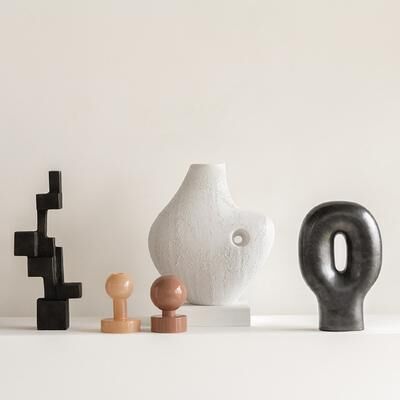
Urban Nature Culture Vase RelaxedQuiet elegancy comes to life in Urban Nature Culture's vase Relaxed. Handmade in Portugal, this ceramic vase has a shape beyond anything you've seen - it's organic, it flows and steals your heart with its playful ear.123,40 $*Shipping: 0,00 $Secure redirect to the provider




-
Does the Princes' Reformation differ significantly from the People's Reformation under Luther?
Yes, the Princes' Reformation and the People's Reformation under Luther differ significantly. The Princes' Reformation was driven by political and economic motivations, as many German princes saw an opportunity to gain power and wealth by breaking away from the authority of the Catholic Church. On the other hand, the People's Reformation was more focused on religious and spiritual concerns, with Luther's teachings resonating with the common people who were seeking a more personal and direct relationship with God. Additionally, the Princes' Reformation often involved the use of force and coercion to implement religious changes, while the People's Reformation was more grassroots and organic in nature. **
-
Why were numerous universities founded during the Reformation and Counter-Reformation era?
Numerous universities were founded during the Reformation and Counter-Reformation era because of the increased demand for education and the need to train clergy and scholars in the theological and philosophical debates of the time. The Reformation led to a greater emphasis on the study of scripture and theology, prompting the establishment of Protestant universities to train ministers and scholars in these areas. On the other hand, the Counter-Reformation, led by the Catholic Church, also saw the founding of universities to educate clergy and counter the spread of Protestant ideas. Additionally, the printing press allowed for the dissemination of knowledge, leading to a greater demand for education and the establishment of more universities. **
-
What was the Counter-Reformation?
The Counter-Reformation was a period of Catholic resurgence in response to the Protestant Reformation. It was a movement within the Catholic Church to address the criticisms and challenges posed by the Protestant reformers. The Counter-Reformation involved efforts to reform the Church from within, combat heresy, and strengthen Catholic doctrine and practices. It also led to the founding of new religious orders, such as the Jesuits, to spread Catholicism and combat the spread of Protestantism. **
-
How was it before the Reformation?
Before the Reformation, the Catholic Church held significant power and influence over many aspects of society in Europe. The Church was the dominant religious institution, with a strong hierarchy led by the Pope in Rome. It controlled religious practices, education, and even had a say in political matters. The Church also collected tithes and sold indulgences, which were seen as a way to reduce punishment for sins. However, there were also criticisms of the Church's practices, such as corruption among clergy members, the selling of indulgences, and the lack of access to religious texts for the common people. These criticisms eventually led to the Reformation, a movement that sought to reform the Catholic Church and ultimately resulted in the establishment of Protestantism as a separate branch of Christianity. **

Is Reformation Day a school holiday?
Reformation Day is not a widely recognized school holiday in the United States. While some schools with a religious affiliation or in areas with a significant Protestant population may choose to observe Reformation Day with a day off, it is not a federal or widely recognized holiday. In many cases, schools will remain open on Reformation Day and continue with their regular schedule. **
Why did Reformation Day become Halloween?
Reformation Day, which commemorates the day Martin Luther nailed his 95 Theses to the church door in Wittenberg, Germany, on October 31, 1517, is the same day as Halloween. The connection between the two dates is likely due to the fact that Halloween, or All Hallows' Eve, falls on the night before All Saints' Day, a Christian holiday. Over time, the traditions and customs of Halloween, such as dressing up in costumes and going door-to-door for treats, have become more prominent, overshadowing the religious significance of Reformation Day. As a result, the two events have become intertwined in popular culture. **
Top-Angebote
Products related to Reformation:
-
Bond No. 9 New York Beaches Shelter Island EDP U 100 mlBond No. 9 New York Beaches Shelter Island, 100 ml, Eaux de Parfum unisex, Fresh but still mysterious. Modern, yet timeless. The composition of Bond No. 9 New York Beaches Shelter Island unisex Eau de Parfum is absolutely perfect both for women and men. clean fresh fragrance aquatic fragrance with oceanic notes woody fragrance unisex – suitable for both women and men fresh fragrance, ideal for hot weather179,00 £*Shipping: 3,99 £Secure redirect to the provider
-
Urban Nature Culture Vase RelaxedQuiet elegancy comes to life in Urban Nature Culture's vase Relaxed. Handmade in Portugal, this ceramic vase has a shape beyond anything you've seen - it's organic, it flows and steals your heart with its playful ear.123,40 $*Shipping: 0,00 $Secure redirect to the provider
-
What were the Reformation and Counter-Reformation?
The Reformation was a 16th-century movement within Christianity that aimed to reform the Roman Catholic Church. It was led by figures such as Martin Luther, John Calvin, and Huldrych Zwingli, who sought to address corruption and abuses within the Church. The Counter-Reformation, on the other hand, was the Catholic Church's response to the Reformation. It involved efforts to reaffirm and strengthen Catholic doctrine, as well as to address some of the criticisms raised by the reformers. The Council of Trent, held between 1545 and 1563, was a key event in the Counter-Reformation, as it outlined reforms and clarified Catholic teachings. **
-
What was the Reformation and the Counter-Reformation?
The Reformation was a 16th-century movement in Europe that sought to reform the Roman Catholic Church and resulted in the creation of Protestantism. It was sparked by Martin Luther's 95 Theses, which criticized the Church's practices and teachings. The Counter-Reformation was the Catholic Church's response to the Reformation, aiming to address the issues raised by the reformers and to reassert the Church's authority. It included efforts to reform the Church from within, as well as the establishment of the Inquisition to combat heresy. **
-
Does the Princes' Reformation differ significantly from the People's Reformation under Luther?
Yes, the Princes' Reformation and the People's Reformation under Luther differ significantly. The Princes' Reformation was driven by political and economic motivations, as many German princes saw an opportunity to gain power and wealth by breaking away from the authority of the Catholic Church. On the other hand, the People's Reformation was more focused on religious and spiritual concerns, with Luther's teachings resonating with the common people who were seeking a more personal and direct relationship with God. Additionally, the Princes' Reformation often involved the use of force and coercion to implement religious changes, while the People's Reformation was more grassroots and organic in nature. **
-
Why were numerous universities founded during the Reformation and Counter-Reformation era?
Numerous universities were founded during the Reformation and Counter-Reformation era because of the increased demand for education and the need to train clergy and scholars in the theological and philosophical debates of the time. The Reformation led to a greater emphasis on the study of scripture and theology, prompting the establishment of Protestant universities to train ministers and scholars in these areas. On the other hand, the Counter-Reformation, led by the Catholic Church, also saw the founding of universities to educate clergy and counter the spread of Protestant ideas. Additionally, the printing press allowed for the dissemination of knowledge, leading to a greater demand for education and the establishment of more universities. **
Similar search terms for Reformation
-
Urban Nature Culture Vase Talvi - WhiteFloating the sea waves, a sense of calm takes over, feeling at home in the world. That same feeling we get at home, like a safe haven to relax our senses and feast our eyes on our most cherished things.267,80 $*Shipping: 0,00 $Secure redirect to the provider
-
Urban Nature Culture Vase Ace - AceSetting forth a tradition that is centuries old, pottery has ever been one of Portugal's trades. Urban Nature Culture loves to work with Portuguese artisans - who use their skills to combine modern looks and contemporary design with techniques of old.145,60 $*Shipping: 0,00 $Secure redirect to the provider
-
What was the Counter-Reformation?
The Counter-Reformation was a period of Catholic resurgence in response to the Protestant Reformation. It was a movement within the Catholic Church to address the criticisms and challenges posed by the Protestant reformers. The Counter-Reformation involved efforts to reform the Church from within, combat heresy, and strengthen Catholic doctrine and practices. It also led to the founding of new religious orders, such as the Jesuits, to spread Catholicism and combat the spread of Protestantism. **
-
How was it before the Reformation?
Before the Reformation, the Catholic Church held significant power and influence over many aspects of society in Europe. The Church was the dominant religious institution, with a strong hierarchy led by the Pope in Rome. It controlled religious practices, education, and even had a say in political matters. The Church also collected tithes and sold indulgences, which were seen as a way to reduce punishment for sins. However, there were also criticisms of the Church's practices, such as corruption among clergy members, the selling of indulgences, and the lack of access to religious texts for the common people. These criticisms eventually led to the Reformation, a movement that sought to reform the Catholic Church and ultimately resulted in the establishment of Protestantism as a separate branch of Christianity. **
-
Is Reformation Day a school holiday?
Reformation Day is not a widely recognized school holiday in the United States. While some schools with a religious affiliation or in areas with a significant Protestant population may choose to observe Reformation Day with a day off, it is not a federal or widely recognized holiday. In many cases, schools will remain open on Reformation Day and continue with their regular schedule. **
-
Why did Reformation Day become Halloween?
Reformation Day, which commemorates the day Martin Luther nailed his 95 Theses to the church door in Wittenberg, Germany, on October 31, 1517, is the same day as Halloween. The connection between the two dates is likely due to the fact that Halloween, or All Hallows' Eve, falls on the night before All Saints' Day, a Christian holiday. Over time, the traditions and customs of Halloween, such as dressing up in costumes and going door-to-door for treats, have become more prominent, overshadowing the religious significance of Reformation Day. As a result, the two events have become intertwined in popular culture. **
* All prices are inclusive of VAT and, if applicable, plus shipping costs. The offer information is based on the details provided by the respective shop and is updated through automated processes. Real-time updates do not occur, so deviations can occur in individual cases. ** Note: Parts of this content were created by AI.