Buy majorca.net ?
We are moving the project
majorca.net .
Are you interested in purchasing the domain
majorca.net ?
domain@kv-gmbh.de · 0541-91531010
Buy majorca.net ?
How many millimeters of beard are allowed in the gastronomy industry?
In the gastronomy industry, it is generally recommended to keep facial hair trimmed to a maximum length of 0.5 millimeters. This is to ensure that facial hair does not come into contact with food, which could potentially contaminate it. Some establishments may have stricter policies and require employees to be completely clean-shaven. It is important for food handlers to follow these guidelines to maintain hygiene standards in the kitchen and prevent any potential health risks. **
How do you convert square millimeters to millimeters?
To convert square millimeters to millimeters, you simply take the square root of the number of square millimeters. For example, if you have 16 square millimeters, you would take the square root of 16, which is 4. Therefore, 16 square millimeters is equal to 4 millimeters. This is because the square millimeter measures the area of a square with sides that are 1 millimeter long, so taking the square root gives you the length of one side. **


Similar search terms for Millimeters
Top-Angebote
Products related to Millimeters:
-
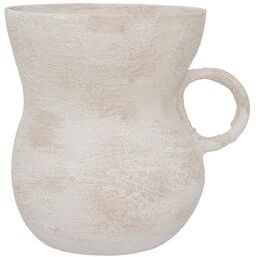
Urban Nature Culture Vase RelaxedQuiet elegancy comes to life in Urban Nature Culture's vase Relaxed. Handmade in Portugal, this ceramic vase has a shape beyond anything you've seen - it's organic, it flows and steals your heart with its playful ear.123,40 $*Shipping: 0,00 $Secure redirect to the provider
-
Urban Nature Culture Vase Talvi - WhiteFloating the sea waves, a sense of calm takes over, feeling at home in the world. That same feeling we get at home, like a safe haven to relax our senses and feast our eyes on our most cherished things.267,80 $*Shipping: 0,00 $Secure redirect to the provider



-
Can square millimeters be converted to millimeters, and if so, how?
Yes, square millimeters can be converted to millimeters. To do this, you would simply take the square root of the number of square millimeters. For example, if you have 16 square millimeters, you would take the square root of 16, which is 4, to find that the length of each side is 4 millimeters. **
-
How many millimeters are left?
There are 30 millimeters left. **
-
How do you set millimeters?
To set millimeters, you can use a ruler or a measuring tape that is marked with millimeter increments. Simply place the starting point of the ruler or tape at one end of the object you want to measure, and then read the measurement at the other end in millimeters. Make sure to line up the zero mark of the ruler or tape with the edge of the object for an accurate measurement. If you are using a digital device, you can select the millimeter unit of measurement and then place the device against the object to get the measurement in millimeters. **
-
How many millimeters when tagging?
When tagging, it is recommended to use a font size of at least 3 millimeters to ensure readability and visibility. This size allows the tag to be easily seen and understood from a distance, making it more effective in conveying the intended message. Additionally, using a larger font size can help prevent any confusion or misinterpretation of the tag. **

How do you abbreviate millimeters?
The abbreviation for millimeters is "mm." This is a standard abbreviation used in various fields such as science, engineering, and manufacturing. It is important to use the correct abbreviation to ensure clear and accurate communication of measurements. **
The hairdresser asks for millimeters.
When a hairdresser asks for millimeters, they are likely referring to the length of hair that they will be cutting. Millimeters are a precise unit of measurement and are commonly used in the hairdressing industry to ensure accurate and consistent haircuts. By asking for measurements in millimeters, the hairdresser can ensure that they are cutting the hair to the exact length requested by the client. This level of precision helps to achieve the desired hairstyle and ensures that the haircut is tailored to the client's preferences. **
Top-Angebote
Products related to Millimeters:
-
Urban Nature Culture Vase RelaxedQuiet elegancy comes to life in Urban Nature Culture's vase Relaxed. Handmade in Portugal, this ceramic vase has a shape beyond anything you've seen - it's organic, it flows and steals your heart with its playful ear.123,40 $*Shipping: 0,00 $Secure redirect to the provider
-
How many millimeters of beard are allowed in the gastronomy industry?
In the gastronomy industry, it is generally recommended to keep facial hair trimmed to a maximum length of 0.5 millimeters. This is to ensure that facial hair does not come into contact with food, which could potentially contaminate it. Some establishments may have stricter policies and require employees to be completely clean-shaven. It is important for food handlers to follow these guidelines to maintain hygiene standards in the kitchen and prevent any potential health risks. **
-
How do you convert square millimeters to millimeters?
To convert square millimeters to millimeters, you simply take the square root of the number of square millimeters. For example, if you have 16 square millimeters, you would take the square root of 16, which is 4. Therefore, 16 square millimeters is equal to 4 millimeters. This is because the square millimeter measures the area of a square with sides that are 1 millimeter long, so taking the square root gives you the length of one side. **
-
Can square millimeters be converted to millimeters, and if so, how?
Yes, square millimeters can be converted to millimeters. To do this, you would simply take the square root of the number of square millimeters. For example, if you have 16 square millimeters, you would take the square root of 16, which is 4, to find that the length of each side is 4 millimeters. **
-
How many millimeters are left?
There are 30 millimeters left. **
Similar search terms for Millimeters
-
Urban Nature Culture Vase Talvi - WhiteFloating the sea waves, a sense of calm takes over, feeling at home in the world. That same feeling we get at home, like a safe haven to relax our senses and feast our eyes on our most cherished things.267,80 $*Shipping: 0,00 $Secure redirect to the provider
-
Urban Nature Culture Vase Ace - AceSetting forth a tradition that is centuries old, pottery has ever been one of Portugal's trades. Urban Nature Culture loves to work with Portuguese artisans - who use their skills to combine modern looks and contemporary design with techniques of old.145,60 $*Shipping: 0,00 $Secure redirect to the provider
-
How do you set millimeters?
To set millimeters, you can use a ruler or a measuring tape that is marked with millimeter increments. Simply place the starting point of the ruler or tape at one end of the object you want to measure, and then read the measurement at the other end in millimeters. Make sure to line up the zero mark of the ruler or tape with the edge of the object for an accurate measurement. If you are using a digital device, you can select the millimeter unit of measurement and then place the device against the object to get the measurement in millimeters. **
-
How many millimeters when tagging?
When tagging, it is recommended to use a font size of at least 3 millimeters to ensure readability and visibility. This size allows the tag to be easily seen and understood from a distance, making it more effective in conveying the intended message. Additionally, using a larger font size can help prevent any confusion or misinterpretation of the tag. **
-
How do you abbreviate millimeters?
The abbreviation for millimeters is "mm." This is a standard abbreviation used in various fields such as science, engineering, and manufacturing. It is important to use the correct abbreviation to ensure clear and accurate communication of measurements. **
-
The hairdresser asks for millimeters.
When a hairdresser asks for millimeters, they are likely referring to the length of hair that they will be cutting. Millimeters are a precise unit of measurement and are commonly used in the hairdressing industry to ensure accurate and consistent haircuts. By asking for measurements in millimeters, the hairdresser can ensure that they are cutting the hair to the exact length requested by the client. This level of precision helps to achieve the desired hairstyle and ensures that the haircut is tailored to the client's preferences. **
* All prices are inclusive of VAT and, if applicable, plus shipping costs. The offer information is based on the details provided by the respective shop and is updated through automated processes. Real-time updates do not occur, so deviations can occur in individual cases. ** Note: Parts of this content were created by AI.