Buy majorca.net ?
We are moving the project
majorca.net .
Are you interested in purchasing the domain
majorca.net ?
domain@kv-gmbh.de · 0541-91531010
Buy majorca.net ?
Are the Huguenots fleeing?
Yes, the Huguenots are fleeing due to religious persecution in France. They are leaving their homeland to seek refuge in other countries where they can practice their Protestant faith without fear of persecution. The Huguenots are facing discrimination and violence in France, leading many to make the difficult decision to leave everything behind and start a new life elsewhere. **
Who were the Huguenots?
The Huguenots were French Protestants who were followers of John Calvin's teachings. They were a significant religious minority in France during the 16th and 17th centuries. The Huguenots faced persecution and discrimination from the Catholic majority, leading to religious wars and ultimately the revocation of the Edict of Nantes in 1685, which resulted in the mass exodus of Huguenots from France. Many Huguenots sought refuge in other countries, including England, the Netherlands, Switzerland, and the American colonies. **


Similar search terms for Huguenots
Top-Angebote
Products related to Huguenots:
-
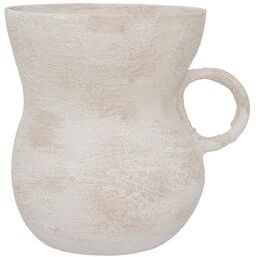
Urban Nature Culture Vase RelaxedQuiet elegancy comes to life in Urban Nature Culture's vase Relaxed. Handmade in Portugal, this ceramic vase has a shape beyond anything you've seen - it's organic, it flows and steals your heart with its playful ear.123,40 $*Shipping: 0,00 $Secure redirect to the provider
-
Urban Nature Culture Vase Talvi - WhiteFloating the sea waves, a sense of calm takes over, feeling at home in the world. That same feeling we get at home, like a safe haven to relax our senses and feast our eyes on our most cherished things.267,80 $*Shipping: 0,00 $Secure redirect to the provider



-
Were Oskar Lafontaine's ancestors Huguenots?
Yes, Oskar Lafontaine's ancestors were Huguenots. The Huguenots were French Protestants who faced persecution in France in the 16th and 17th centuries. Many Huguenots fled France to escape religious persecution, and some settled in Germany, where they became known as the French Huguenots. Oskar Lafontaine, a prominent German politician, has stated that his ancestors were Huguenots who settled in the Saarland region of Germany. **
-
Where do the Huguenots actually originate from?
The Huguenots were French Protestants who originated from the Reformation movement in the 16th century. The term "Huguenot" is believed to have been derived from the name of Besançon Hugues, a leader of the Geneva National Council. The movement gained momentum in France and faced persecution from the Catholic Church and the French monarchy, leading many Huguenots to flee the country. They sought refuge in various countries, including England, the Netherlands, Switzerland, and the American colonies, where they made significant contributions to their new societies. **
-
Why did the Huguenots flee Flanders in 1562?
The Huguenots fled Flanders in 1562 due to religious persecution. Flanders was under the control of the Spanish Inquisition, which sought to suppress Protestantism and enforce Catholicism. The Huguenots, who were French Calvinist Protestants, faced increasing persecution and violence, leading many to flee to other countries, including England, Germany, and the Netherlands, where they could practice their faith more freely. This persecution ultimately contributed to the outbreak of the French Wars of Religion. **
-
How were the Huguenots affected during the Nazi era?
During the Nazi era, the Huguenots, who were descendants of French Protestant refugees, were targeted by the Nazis due to their religious beliefs and ancestry. Many Huguenots were persecuted, arrested, and sent to concentration camps, where they faced harsh conditions and often did not survive. Their churches and communities were also targeted for destruction, leading to the loss of their cultural heritage. Overall, the Huguenots suffered greatly during the Nazi era due to their identity as a religious and ethnic minority. **

Is man a creature of nature or culture, or is culture the nature of man?
Man is a complex being influenced by both nature and culture. While humans are inherently part of the natural world, our behaviors, beliefs, and practices are largely shaped by the societies we live in. Culture can be seen as the nature of man in the sense that it is a fundamental aspect of human existence, shaping our identities and interactions with the world. Ultimately, the relationship between nature and culture is intertwined in shaping the essence of humanity. **
Is man a being of nature or culture, or is culture the nature of man?
Man is a being of both nature and culture. While humans are inherently a part of the natural world, our ability to create and participate in culture sets us apart from other species. Culture shapes our beliefs, behaviors, and interactions with the world, becoming an essential part of our identity. Therefore, culture can be seen as the nature of man, as it influences and defines our existence in profound ways. **
Top-Angebote
Products related to Huguenots:
-
Urban Nature Culture Vase RelaxedQuiet elegancy comes to life in Urban Nature Culture's vase Relaxed. Handmade in Portugal, this ceramic vase has a shape beyond anything you've seen - it's organic, it flows and steals your heart with its playful ear.123,40 $*Shipping: 0,00 $Secure redirect to the provider
-
Are the Huguenots fleeing?
Yes, the Huguenots are fleeing due to religious persecution in France. They are leaving their homeland to seek refuge in other countries where they can practice their Protestant faith without fear of persecution. The Huguenots are facing discrimination and violence in France, leading many to make the difficult decision to leave everything behind and start a new life elsewhere. **
-
Who were the Huguenots?
The Huguenots were French Protestants who were followers of John Calvin's teachings. They were a significant religious minority in France during the 16th and 17th centuries. The Huguenots faced persecution and discrimination from the Catholic majority, leading to religious wars and ultimately the revocation of the Edict of Nantes in 1685, which resulted in the mass exodus of Huguenots from France. Many Huguenots sought refuge in other countries, including England, the Netherlands, Switzerland, and the American colonies. **
-
Were Oskar Lafontaine's ancestors Huguenots?
Yes, Oskar Lafontaine's ancestors were Huguenots. The Huguenots were French Protestants who faced persecution in France in the 16th and 17th centuries. Many Huguenots fled France to escape religious persecution, and some settled in Germany, where they became known as the French Huguenots. Oskar Lafontaine, a prominent German politician, has stated that his ancestors were Huguenots who settled in the Saarland region of Germany. **
-
Where do the Huguenots actually originate from?
The Huguenots were French Protestants who originated from the Reformation movement in the 16th century. The term "Huguenot" is believed to have been derived from the name of Besançon Hugues, a leader of the Geneva National Council. The movement gained momentum in France and faced persecution from the Catholic Church and the French monarchy, leading many Huguenots to flee the country. They sought refuge in various countries, including England, the Netherlands, Switzerland, and the American colonies, where they made significant contributions to their new societies. **
Similar search terms for Huguenots
-
Urban Nature Culture Vase Talvi - WhiteFloating the sea waves, a sense of calm takes over, feeling at home in the world. That same feeling we get at home, like a safe haven to relax our senses and feast our eyes on our most cherished things.267,80 $*Shipping: 0,00 $Secure redirect to the provider
-
Urban Nature Culture Vase Ace - AceSetting forth a tradition that is centuries old, pottery has ever been one of Portugal's trades. Urban Nature Culture loves to work with Portuguese artisans - who use their skills to combine modern looks and contemporary design with techniques of old.145,60 $*Shipping: 0,00 $Secure redirect to the provider
-
Why did the Huguenots flee Flanders in 1562?
The Huguenots fled Flanders in 1562 due to religious persecution. Flanders was under the control of the Spanish Inquisition, which sought to suppress Protestantism and enforce Catholicism. The Huguenots, who were French Calvinist Protestants, faced increasing persecution and violence, leading many to flee to other countries, including England, Germany, and the Netherlands, where they could practice their faith more freely. This persecution ultimately contributed to the outbreak of the French Wars of Religion. **
-
How were the Huguenots affected during the Nazi era?
During the Nazi era, the Huguenots, who were descendants of French Protestant refugees, were targeted by the Nazis due to their religious beliefs and ancestry. Many Huguenots were persecuted, arrested, and sent to concentration camps, where they faced harsh conditions and often did not survive. Their churches and communities were also targeted for destruction, leading to the loss of their cultural heritage. Overall, the Huguenots suffered greatly during the Nazi era due to their identity as a religious and ethnic minority. **
-
Is man a creature of nature or culture, or is culture the nature of man?
Man is a complex being influenced by both nature and culture. While humans are inherently part of the natural world, our behaviors, beliefs, and practices are largely shaped by the societies we live in. Culture can be seen as the nature of man in the sense that it is a fundamental aspect of human existence, shaping our identities and interactions with the world. Ultimately, the relationship between nature and culture is intertwined in shaping the essence of humanity. **
-
Is man a being of nature or culture, or is culture the nature of man?
Man is a being of both nature and culture. While humans are inherently a part of the natural world, our ability to create and participate in culture sets us apart from other species. Culture shapes our beliefs, behaviors, and interactions with the world, becoming an essential part of our identity. Therefore, culture can be seen as the nature of man, as it influences and defines our existence in profound ways. **
* All prices are inclusive of VAT and, if applicable, plus shipping costs. The offer information is based on the details provided by the respective shop and is updated through automated processes. Real-time updates do not occur, so deviations can occur in individual cases. ** Note: Parts of this content were created by AI.