Buy majorca.net ?
We are moving the project
majorca.net .
Are you interested in purchasing the domain
majorca.net ?
domain@kv-gmbh.de · 0541-91531010
Buy majorca.net ?
What is the difference between Deconstructivism, Modernism, and Historicism?
Deconstructivism is a postmodern architectural style that seeks to break down traditional elements of design, creating fragmented and distorted forms. Modernism, on the other hand, is a design movement that emerged in the early 20th century, characterized by simplicity, functionality, and the use of new materials such as steel and glass. Historicism, on the other hand, is an architectural style that draws inspiration from historical architectural styles and incorporates them into contemporary designs. Each of these styles has its own unique approach to design and aesthetics, reflecting different philosophies and influences. **
What is the difference between postmodern architecture and deconstructivism?
Postmodern architecture is a movement that emerged in the late 20th century, characterized by a playful and eclectic approach to design, often incorporating historical references and decorative elements. Deconstructivism, on the other hand, is a more radical and experimental architectural style that emerged in the late 1980s, characterized by fragmented forms, non-rectilinear shapes, and a focus on disorienting and destabilizing the viewer's perception of space. While postmodern architecture often incorporates historical elements in a more whimsical and decorative manner, deconstructivism seeks to challenge traditional notions of form and structure through its fragmented and distorted designs. **
Similar search terms for Deconstructivism
Top-Angebote
Products related to Deconstructivism:
-
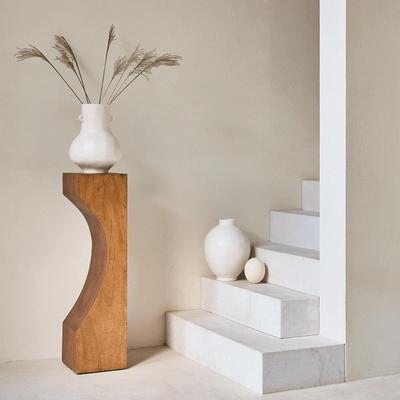
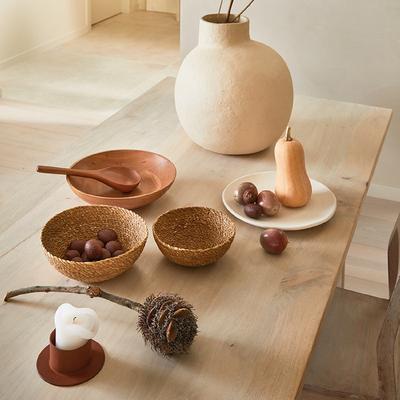
Urban Nature Culture Vase Talvi - WhiteFloating the sea waves, a sense of calm takes over, feeling at home in the world. That same feeling we get at home, like a safe haven to relax our senses and feast our eyes on our most cherished things.267,80 $*Shipping: 0,00 $Secure redirect to the provider


-
What is the relationship between postmodernism and deconstructivism in architecture?
Postmodernism and deconstructivism in architecture are closely related movements that emerged in the late 20th century. Postmodernism challenged the modernist principles of simplicity and functionality, embracing complexity, ornamentation, and historical references. Deconstructivism, on the other hand, sought to break down traditional architectural conventions by fragmenting forms and creating structures that appear disordered and chaotic. While both movements share a rejection of modernist ideals, deconstructivism takes this rejection further by actively dismantling and reinterpreting architectural norms. **
-
Is man a creature of nature or culture, or is culture the nature of man?
Man is a complex being influenced by both nature and culture. While humans are inherently part of the natural world, our behaviors, beliefs, and practices are largely shaped by the societies we live in. Culture can be seen as the nature of man in the sense that it is a fundamental aspect of human existence, shaping our identities and interactions with the world. Ultimately, the relationship between nature and culture is intertwined in shaping the essence of humanity. **
-
Is man a being of nature or culture, or is culture the nature of man?
Man is a being of both nature and culture. While humans are inherently a part of the natural world, our ability to create and participate in culture sets us apart from other species. Culture shapes our beliefs, behaviors, and interactions with the world, becoming an essential part of our identity. Therefore, culture can be seen as the nature of man, as it influences and defines our existence in profound ways. **
-
Is culture a form of nature?
Culture is not a form of nature, but rather a product of human society. While culture can be influenced by nature and the environment, it is distinct in that it is created, shared, and passed down through generations by humans. Nature refers to the physical world and natural phenomena, while culture encompasses the beliefs, customs, arts, and social behaviors of a particular group of people. **

Is man a being of nature or culture?
Man is a being of both nature and culture. While humans are a part of the natural world and share many characteristics with other animals, they also possess the ability to create and participate in complex cultural systems. Culture shapes human behavior, beliefs, and values, influencing how individuals interact with their environment. Ultimately, humans exist at the intersection of nature and culture, with both aspects playing a significant role in shaping their identities and experiences. **
Is man a creature of nature or of culture?
Man is a creature of both nature and culture. While humans are biologically part of the natural world, our behaviors, beliefs, and social structures are heavily influenced by the cultures we are raised in. Culture shapes our values, norms, and ways of interacting with the world, but our biological instincts and needs also play a significant role in shaping who we are. Ultimately, humans are a complex blend of both natural and cultural influences. **
Top-Angebote
Products related to Deconstructivism:
-
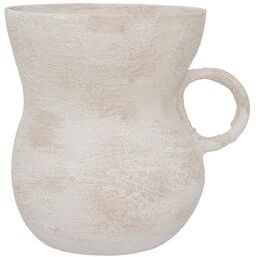
Urban Nature Culture Vase RelaxedQuiet elegancy comes to life in Urban Nature Culture's vase Relaxed. Handmade in Portugal, this ceramic vase has a shape beyond anything you've seen - it's organic, it flows and steals your heart with its playful ear.123,40 $*Shipping: 0,00 $Secure redirect to the provider
-
What is the difference between Deconstructivism, Modernism, and Historicism?
Deconstructivism is a postmodern architectural style that seeks to break down traditional elements of design, creating fragmented and distorted forms. Modernism, on the other hand, is a design movement that emerged in the early 20th century, characterized by simplicity, functionality, and the use of new materials such as steel and glass. Historicism, on the other hand, is an architectural style that draws inspiration from historical architectural styles and incorporates them into contemporary designs. Each of these styles has its own unique approach to design and aesthetics, reflecting different philosophies and influences. **
-
What is the difference between postmodern architecture and deconstructivism?
Postmodern architecture is a movement that emerged in the late 20th century, characterized by a playful and eclectic approach to design, often incorporating historical references and decorative elements. Deconstructivism, on the other hand, is a more radical and experimental architectural style that emerged in the late 1980s, characterized by fragmented forms, non-rectilinear shapes, and a focus on disorienting and destabilizing the viewer's perception of space. While postmodern architecture often incorporates historical elements in a more whimsical and decorative manner, deconstructivism seeks to challenge traditional notions of form and structure through its fragmented and distorted designs. **
-
What is the relationship between postmodernism and deconstructivism in architecture?
Postmodernism and deconstructivism in architecture are closely related movements that emerged in the late 20th century. Postmodernism challenged the modernist principles of simplicity and functionality, embracing complexity, ornamentation, and historical references. Deconstructivism, on the other hand, sought to break down traditional architectural conventions by fragmenting forms and creating structures that appear disordered and chaotic. While both movements share a rejection of modernist ideals, deconstructivism takes this rejection further by actively dismantling and reinterpreting architectural norms. **
-
Is man a creature of nature or culture, or is culture the nature of man?
Man is a complex being influenced by both nature and culture. While humans are inherently part of the natural world, our behaviors, beliefs, and practices are largely shaped by the societies we live in. Culture can be seen as the nature of man in the sense that it is a fundamental aspect of human existence, shaping our identities and interactions with the world. Ultimately, the relationship between nature and culture is intertwined in shaping the essence of humanity. **
Similar search terms for Deconstructivism
-
Urban Nature Culture Vase Talvi - WhiteFloating the sea waves, a sense of calm takes over, feeling at home in the world. That same feeling we get at home, like a safe haven to relax our senses and feast our eyes on our most cherished things.267,80 $*Shipping: 0,00 $Secure redirect to the provider
-
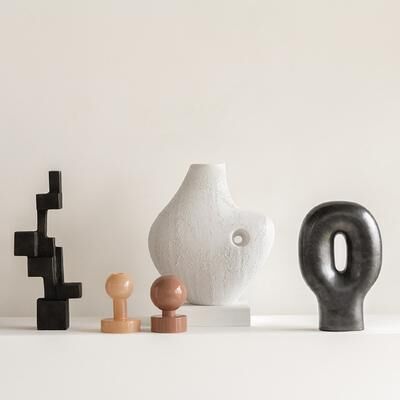
Urban Nature Culture Vase Ace - AceSetting forth a tradition that is centuries old, pottery has ever been one of Portugal's trades. Urban Nature Culture loves to work with Portuguese artisans - who use their skills to combine modern looks and contemporary design with techniques of old.145,60 $*Shipping: 0,00 $Secure redirect to the provider
-
Is man a being of nature or culture, or is culture the nature of man?
Man is a being of both nature and culture. While humans are inherently a part of the natural world, our ability to create and participate in culture sets us apart from other species. Culture shapes our beliefs, behaviors, and interactions with the world, becoming an essential part of our identity. Therefore, culture can be seen as the nature of man, as it influences and defines our existence in profound ways. **
-
Is culture a form of nature?
Culture is not a form of nature, but rather a product of human society. While culture can be influenced by nature and the environment, it is distinct in that it is created, shared, and passed down through generations by humans. Nature refers to the physical world and natural phenomena, while culture encompasses the beliefs, customs, arts, and social behaviors of a particular group of people. **
-
Is man a being of nature or culture?
Man is a being of both nature and culture. While humans are a part of the natural world and share many characteristics with other animals, they also possess the ability to create and participate in complex cultural systems. Culture shapes human behavior, beliefs, and values, influencing how individuals interact with their environment. Ultimately, humans exist at the intersection of nature and culture, with both aspects playing a significant role in shaping their identities and experiences. **
-
Is man a creature of nature or of culture?
Man is a creature of both nature and culture. While humans are biologically part of the natural world, our behaviors, beliefs, and social structures are heavily influenced by the cultures we are raised in. Culture shapes our values, norms, and ways of interacting with the world, but our biological instincts and needs also play a significant role in shaping who we are. Ultimately, humans are a complex blend of both natural and cultural influences. **
* All prices are inclusive of VAT and, if applicable, plus shipping costs. The offer information is based on the details provided by the respective shop and is updated through automated processes. Real-time updates do not occur, so deviations can occur in individual cases. ** Note: Parts of this content were created by AI.