Buy majorca.net ?
We are moving the project
majorca.net .
Are you interested in purchasing the domain
majorca.net ?
domain@kv-gmbh.de · 0541-91531010
Buy majorca.net ?
Is arugula a cruciferous vegetable?
Yes, arugula is a cruciferous vegetable. It belongs to the Brassicaceae family, which includes other cruciferous vegetables like broccoli, kale, and Brussels sprouts. Arugula is known for its peppery flavor and is rich in vitamins, minerals, and antioxidants, making it a nutritious addition to a balanced diet. **
What is a herbarium for cruciferous plants?
A herbarium for cruciferous plants is a collection of preserved plant specimens from the family Brassicaceae, which includes plants like cabbage, broccoli, and mustard. These specimens are typically dried, pressed, and mounted on sheets of paper, along with information about where and when they were collected. Herbaria serve as important resources for researchers studying plant diversity, distribution, and taxonomy, and they can also be used for educational purposes and public outreach. By preserving and documenting plant specimens, herbaria help to build a comprehensive record of the world's plant life for future generations. **


Similar search terms for Cruciferous
Top-Angebote
Products related to Cruciferous:
-
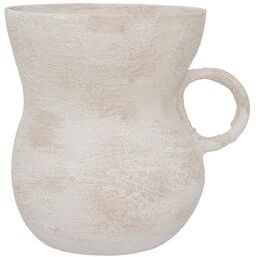
Urban Nature Culture Vase RelaxedQuiet elegancy comes to life in Urban Nature Culture's vase Relaxed. Handmade in Portugal, this ceramic vase has a shape beyond anything you've seen - it's organic, it flows and steals your heart with its playful ear.123,40 $*Shipping: 0,00 $Secure redirect to the provider
-
Urban Nature Culture Vase Talvi - WhiteFloating the sea waves, a sense of calm takes over, feeling at home in the world. That same feeling we get at home, like a safe haven to relax our senses and feast our eyes on our most cherished things.267,80 $*Shipping: 0,00 $Secure redirect to the provider
-
Urban Nature Culture Vase Ace - AceSetting forth a tradition that is centuries old, pottery has ever been one of Portugal's trades. Urban Nature Culture loves to work with Portuguese artisans - who use their skills to combine modern looks and contemporary design with techniques of old.145,60 $*Shipping: 0,00 $Secure redirect to the provider



-
How do cruciferous plants differ from each other?
Cruciferous plants differ from each other in terms of their appearance, taste, and nutritional content. For example, broccoli has a dense, green, flowery head, while cauliflower has a white, compact head. Brussels sprouts are small, round, and grow in clusters along the stem. Additionally, each cruciferous plant has a unique flavor profile, with some being more bitter or peppery than others. Nutritionally, they also vary in their levels of vitamins, minerals, and phytochemicals, with some being higher in certain nutrients than others. **
-
What are cruciferous plants, mint family plants, and leguminous plants?
Cruciferous plants are a group of vegetables that belong to the Brassicaceae family, including broccoli, cauliflower, cabbage, and kale. Mint family plants, also known as Lamiaceae family, include herbs like mint, basil, rosemary, and oregano. Leguminous plants are members of the Fabaceae family and are known for their ability to fix nitrogen in the soil, including beans, peas, lentils, and peanuts. Each of these plant families includes a variety of edible plants that are commonly used in cooking and gardening. **
-
What are the actual meanings of cruciferous vegetables for people?
Cruciferous vegetables are known for their numerous health benefits, including being rich in vitamins, minerals, and fiber. They are also known for their potential cancer-fighting properties, as they contain compounds that may help reduce the risk of certain types of cancer. Additionally, cruciferous vegetables can aid in digestion, support heart health, and contribute to overall weight management. Overall, the actual meanings of cruciferous vegetables for people are that they are an important part of a healthy diet and can contribute to overall well-being and disease prevention. **
-
What is the difference between a basket and a cruciferous plant?
A basket is a container typically made of woven materials such as wood or plastic, used for holding or carrying items. On the other hand, a cruciferous plant is a type of vegetable belonging to the Brassicaceae family, which includes vegetables like broccoli, cauliflower, cabbage, and kale. The main difference is that a basket is a man-made object used for holding items, while a cruciferous plant is a type of plant that produces edible vegetables. **
Is man a creature of nature or culture, or is culture the nature of man?
Man is a complex being influenced by both nature and culture. While humans are inherently part of the natural world, our behaviors, beliefs, and practices are largely shaped by the societies we live in. Culture can be seen as the nature of man in the sense that it is a fundamental aspect of human existence, shaping our identities and interactions with the world. Ultimately, the relationship between nature and culture is intertwined in shaping the essence of humanity. **
Is man a being of nature or culture, or is culture the nature of man?
Man is a being of both nature and culture. While humans are inherently a part of the natural world, our ability to create and participate in culture sets us apart from other species. Culture shapes our beliefs, behaviors, and interactions with the world, becoming an essential part of our identity. Therefore, culture can be seen as the nature of man, as it influences and defines our existence in profound ways. **
Top-Angebote
Products related to Cruciferous:
-
Urban Nature Culture Vase RelaxedQuiet elegancy comes to life in Urban Nature Culture's vase Relaxed. Handmade in Portugal, this ceramic vase has a shape beyond anything you've seen - it's organic, it flows and steals your heart with its playful ear.123,40 $*Shipping: 0,00 $Secure redirect to the provider
-
Is arugula a cruciferous vegetable?
Yes, arugula is a cruciferous vegetable. It belongs to the Brassicaceae family, which includes other cruciferous vegetables like broccoli, kale, and Brussels sprouts. Arugula is known for its peppery flavor and is rich in vitamins, minerals, and antioxidants, making it a nutritious addition to a balanced diet. **
-
What is a herbarium for cruciferous plants?
A herbarium for cruciferous plants is a collection of preserved plant specimens from the family Brassicaceae, which includes plants like cabbage, broccoli, and mustard. These specimens are typically dried, pressed, and mounted on sheets of paper, along with information about where and when they were collected. Herbaria serve as important resources for researchers studying plant diversity, distribution, and taxonomy, and they can also be used for educational purposes and public outreach. By preserving and documenting plant specimens, herbaria help to build a comprehensive record of the world's plant life for future generations. **
-
How do cruciferous plants differ from each other?
Cruciferous plants differ from each other in terms of their appearance, taste, and nutritional content. For example, broccoli has a dense, green, flowery head, while cauliflower has a white, compact head. Brussels sprouts are small, round, and grow in clusters along the stem. Additionally, each cruciferous plant has a unique flavor profile, with some being more bitter or peppery than others. Nutritionally, they also vary in their levels of vitamins, minerals, and phytochemicals, with some being higher in certain nutrients than others. **
-
What are cruciferous plants, mint family plants, and leguminous plants?
Cruciferous plants are a group of vegetables that belong to the Brassicaceae family, including broccoli, cauliflower, cabbage, and kale. Mint family plants, also known as Lamiaceae family, include herbs like mint, basil, rosemary, and oregano. Leguminous plants are members of the Fabaceae family and are known for their ability to fix nitrogen in the soil, including beans, peas, lentils, and peanuts. Each of these plant families includes a variety of edible plants that are commonly used in cooking and gardening. **
Similar search terms for Cruciferous
-
Urban Nature Culture Vase Talvi - WhiteFloating the sea waves, a sense of calm takes over, feeling at home in the world. That same feeling we get at home, like a safe haven to relax our senses and feast our eyes on our most cherished things.267,80 $*Shipping: 0,00 $Secure redirect to the provider
-
Urban Nature Culture Vase Ace - AceSetting forth a tradition that is centuries old, pottery has ever been one of Portugal's trades. Urban Nature Culture loves to work with Portuguese artisans - who use their skills to combine modern looks and contemporary design with techniques of old.145,60 $*Shipping: 0,00 $Secure redirect to the provider
-
What are the actual meanings of cruciferous vegetables for people?
Cruciferous vegetables are known for their numerous health benefits, including being rich in vitamins, minerals, and fiber. They are also known for their potential cancer-fighting properties, as they contain compounds that may help reduce the risk of certain types of cancer. Additionally, cruciferous vegetables can aid in digestion, support heart health, and contribute to overall weight management. Overall, the actual meanings of cruciferous vegetables for people are that they are an important part of a healthy diet and can contribute to overall well-being and disease prevention. **
-
What is the difference between a basket and a cruciferous plant?
A basket is a container typically made of woven materials such as wood or plastic, used for holding or carrying items. On the other hand, a cruciferous plant is a type of vegetable belonging to the Brassicaceae family, which includes vegetables like broccoli, cauliflower, cabbage, and kale. The main difference is that a basket is a man-made object used for holding items, while a cruciferous plant is a type of plant that produces edible vegetables. **
-
Is man a creature of nature or culture, or is culture the nature of man?
Man is a complex being influenced by both nature and culture. While humans are inherently part of the natural world, our behaviors, beliefs, and practices are largely shaped by the societies we live in. Culture can be seen as the nature of man in the sense that it is a fundamental aspect of human existence, shaping our identities and interactions with the world. Ultimately, the relationship between nature and culture is intertwined in shaping the essence of humanity. **
-
Is man a being of nature or culture, or is culture the nature of man?
Man is a being of both nature and culture. While humans are inherently a part of the natural world, our ability to create and participate in culture sets us apart from other species. Culture shapes our beliefs, behaviors, and interactions with the world, becoming an essential part of our identity. Therefore, culture can be seen as the nature of man, as it influences and defines our existence in profound ways. **
* All prices are inclusive of VAT and, if applicable, plus shipping costs. The offer information is based on the details provided by the respective shop and is updated through automated processes. Real-time updates do not occur, so deviations can occur in individual cases. ** Note: Parts of this content were created by AI.