Buy majorca.net ?
We are moving the project
majorca.net .
Are you interested in purchasing the domain
majorca.net ?
domain@kv-gmbh.de · 0541-91531010
Buy majorca.net ?
What does the autonomic nervous system do?
The autonomic nervous system controls involuntary bodily functions such as heart rate, digestion, respiratory rate, and blood pressure. It regulates these functions to maintain homeostasis and respond to changes in the internal and external environment. The autonomic nervous system has two main divisions - the sympathetic and parasympathetic nervous systems, which work together to balance and coordinate the body's physiological processes. Overall, the autonomic nervous system plays a crucial role in ensuring the body functions properly without conscious effort. **
How does the autonomic nervous system work?
The autonomic nervous system controls involuntary bodily functions such as heart rate, digestion, and breathing. It is divided into two branches: the sympathetic nervous system, which activates the body's fight-or-flight response in times of stress, and the parasympathetic nervous system, which promotes relaxation and rest. These two branches work in opposition to maintain homeostasis in the body. The autonomic nervous system operates largely unconsciously, responding to signals from the brain and sensory organs to regulate various bodily functions. **

Similar search terms for Autonomic
Top-Angebote
Products related to Autonomic:
-
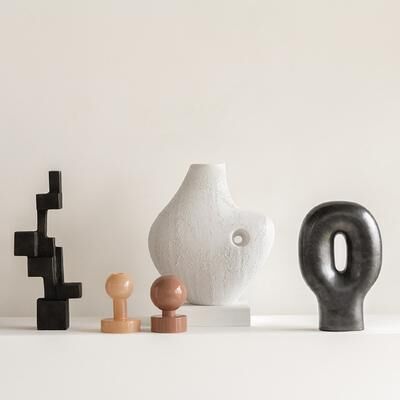
Urban Nature Culture Vase Talvi - WhiteFloating the sea waves, a sense of calm takes over, feeling at home in the world. That same feeling we get at home, like a safe haven to relax our senses and feast our eyes on our most cherished things.267,80 $*Shipping: 0,00 $Secure redirect to the provider



-
What is the difference between dermatomes and autonomic regions?
Dermatomes are specific areas of skin supplied by a single spinal nerve, while autonomic regions are areas of the body that are innervated by the autonomic nervous system. Dermatomes are responsible for sensory perception, such as touch and temperature, while autonomic regions control involuntary functions like heart rate, digestion, and respiratory rate. Additionally, dermatomes are related to somatic sensation, while autonomic regions are related to visceral functions. **
-
How do I solve the task Biology: Autonomic Nervous System - Parasympathetic?
To solve the task "Biology: Autonomic Nervous System - Parasympathetic," you should first understand the basics of the autonomic nervous system, including its two main divisions - the sympathetic and parasympathetic nervous systems. Focus on the functions and effects of the parasympathetic nervous system, such as its role in rest and digest activities. Additionally, familiarize yourself with the neurotransmitters involved in the parasympathetic system, like acetylcholine. Finally, practice applying this knowledge to different scenarios or questions related to the parasympathetic nervous system to solidify your understanding. **
-
What is the difference between the peripheral and the autonomic nervous system?
The peripheral nervous system consists of all the nerves outside of the brain and spinal cord, including sensory and motor nerves. It is responsible for transmitting information between the central nervous system and the rest of the body. The autonomic nervous system is a division of the peripheral nervous system that controls involuntary bodily functions, such as heart rate, digestion, and respiratory rate. While the peripheral nervous system includes both voluntary and involuntary nerves, the autonomic nervous system specifically regulates involuntary actions. **
-
What does it mean when the autonomic nervous system is out of balance?
When the autonomic nervous system is out of balance, it means that there is an imbalance between the sympathetic and parasympathetic branches of the system. This can lead to symptoms such as increased heart rate, high blood pressure, digestive issues, anxiety, or difficulty sleeping. An out-of-balance autonomic nervous system can result from chronic stress, trauma, or certain medical conditions, and it can impact overall health and well-being. It is important to address this imbalance through relaxation techniques, lifestyle changes, and sometimes medical interventions to restore harmony to the autonomic nervous system. **


Why is the autonomic nervous system also referred to as a separate nervous system?
The autonomic nervous system is referred to as a separate nervous system because it functions independently from the somatic nervous system, which controls voluntary movements. The autonomic nervous system regulates involuntary bodily functions such as heart rate, digestion, and respiratory rate. It is responsible for maintaining homeostasis and responding to internal and external stimuli without conscious effort. This separation allows the autonomic nervous system to carry out its functions without direct control from the conscious mind. **
Is man a creature of nature or culture, or is culture the nature of man?
Man is a complex being influenced by both nature and culture. While humans are inherently part of the natural world, our behaviors, beliefs, and practices are largely shaped by the societies we live in. Culture can be seen as the nature of man in the sense that it is a fundamental aspect of human existence, shaping our identities and interactions with the world. Ultimately, the relationship between nature and culture is intertwined in shaping the essence of humanity. **
Top-Angebote
Products related to Autonomic:
-
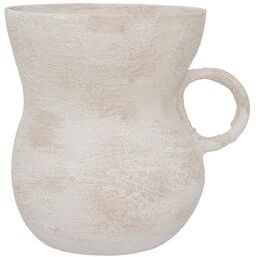
Urban Nature Culture Vase RelaxedQuiet elegancy comes to life in Urban Nature Culture's vase Relaxed. Handmade in Portugal, this ceramic vase has a shape beyond anything you've seen - it's organic, it flows and steals your heart with its playful ear.123,40 $*Shipping: 0,00 $Secure redirect to the provider
-
What does the autonomic nervous system do?
The autonomic nervous system controls involuntary bodily functions such as heart rate, digestion, respiratory rate, and blood pressure. It regulates these functions to maintain homeostasis and respond to changes in the internal and external environment. The autonomic nervous system has two main divisions - the sympathetic and parasympathetic nervous systems, which work together to balance and coordinate the body's physiological processes. Overall, the autonomic nervous system plays a crucial role in ensuring the body functions properly without conscious effort. **
-
How does the autonomic nervous system work?
The autonomic nervous system controls involuntary bodily functions such as heart rate, digestion, and breathing. It is divided into two branches: the sympathetic nervous system, which activates the body's fight-or-flight response in times of stress, and the parasympathetic nervous system, which promotes relaxation and rest. These two branches work in opposition to maintain homeostasis in the body. The autonomic nervous system operates largely unconsciously, responding to signals from the brain and sensory organs to regulate various bodily functions. **
-
What is the difference between dermatomes and autonomic regions?
Dermatomes are specific areas of skin supplied by a single spinal nerve, while autonomic regions are areas of the body that are innervated by the autonomic nervous system. Dermatomes are responsible for sensory perception, such as touch and temperature, while autonomic regions control involuntary functions like heart rate, digestion, and respiratory rate. Additionally, dermatomes are related to somatic sensation, while autonomic regions are related to visceral functions. **
-
How do I solve the task Biology: Autonomic Nervous System - Parasympathetic?
To solve the task "Biology: Autonomic Nervous System - Parasympathetic," you should first understand the basics of the autonomic nervous system, including its two main divisions - the sympathetic and parasympathetic nervous systems. Focus on the functions and effects of the parasympathetic nervous system, such as its role in rest and digest activities. Additionally, familiarize yourself with the neurotransmitters involved in the parasympathetic system, like acetylcholine. Finally, practice applying this knowledge to different scenarios or questions related to the parasympathetic nervous system to solidify your understanding. **
Similar search terms for Autonomic
-
Urban Nature Culture Vase Talvi - WhiteFloating the sea waves, a sense of calm takes over, feeling at home in the world. That same feeling we get at home, like a safe haven to relax our senses and feast our eyes on our most cherished things.267,80 $*Shipping: 0,00 $Secure redirect to the provider
-
Urban Nature Culture Vase Ace - AceSetting forth a tradition that is centuries old, pottery has ever been one of Portugal's trades. Urban Nature Culture loves to work with Portuguese artisans - who use their skills to combine modern looks and contemporary design with techniques of old.145,60 $*Shipping: 0,00 $Secure redirect to the provider
-
What is the difference between the peripheral and the autonomic nervous system?
The peripheral nervous system consists of all the nerves outside of the brain and spinal cord, including sensory and motor nerves. It is responsible for transmitting information between the central nervous system and the rest of the body. The autonomic nervous system is a division of the peripheral nervous system that controls involuntary bodily functions, such as heart rate, digestion, and respiratory rate. While the peripheral nervous system includes both voluntary and involuntary nerves, the autonomic nervous system specifically regulates involuntary actions. **
-
What does it mean when the autonomic nervous system is out of balance?
When the autonomic nervous system is out of balance, it means that there is an imbalance between the sympathetic and parasympathetic branches of the system. This can lead to symptoms such as increased heart rate, high blood pressure, digestive issues, anxiety, or difficulty sleeping. An out-of-balance autonomic nervous system can result from chronic stress, trauma, or certain medical conditions, and it can impact overall health and well-being. It is important to address this imbalance through relaxation techniques, lifestyle changes, and sometimes medical interventions to restore harmony to the autonomic nervous system. **
-
Why is the autonomic nervous system also referred to as a separate nervous system?
The autonomic nervous system is referred to as a separate nervous system because it functions independently from the somatic nervous system, which controls voluntary movements. The autonomic nervous system regulates involuntary bodily functions such as heart rate, digestion, and respiratory rate. It is responsible for maintaining homeostasis and responding to internal and external stimuli without conscious effort. This separation allows the autonomic nervous system to carry out its functions without direct control from the conscious mind. **
-
Is man a creature of nature or culture, or is culture the nature of man?
Man is a complex being influenced by both nature and culture. While humans are inherently part of the natural world, our behaviors, beliefs, and practices are largely shaped by the societies we live in. Culture can be seen as the nature of man in the sense that it is a fundamental aspect of human existence, shaping our identities and interactions with the world. Ultimately, the relationship between nature and culture is intertwined in shaping the essence of humanity. **
* All prices are inclusive of VAT and, if applicable, plus shipping costs. The offer information is based on the details provided by the respective shop and is updated through automated processes. Real-time updates do not occur, so deviations can occur in individual cases. ** Note: Parts of this content were created by AI.